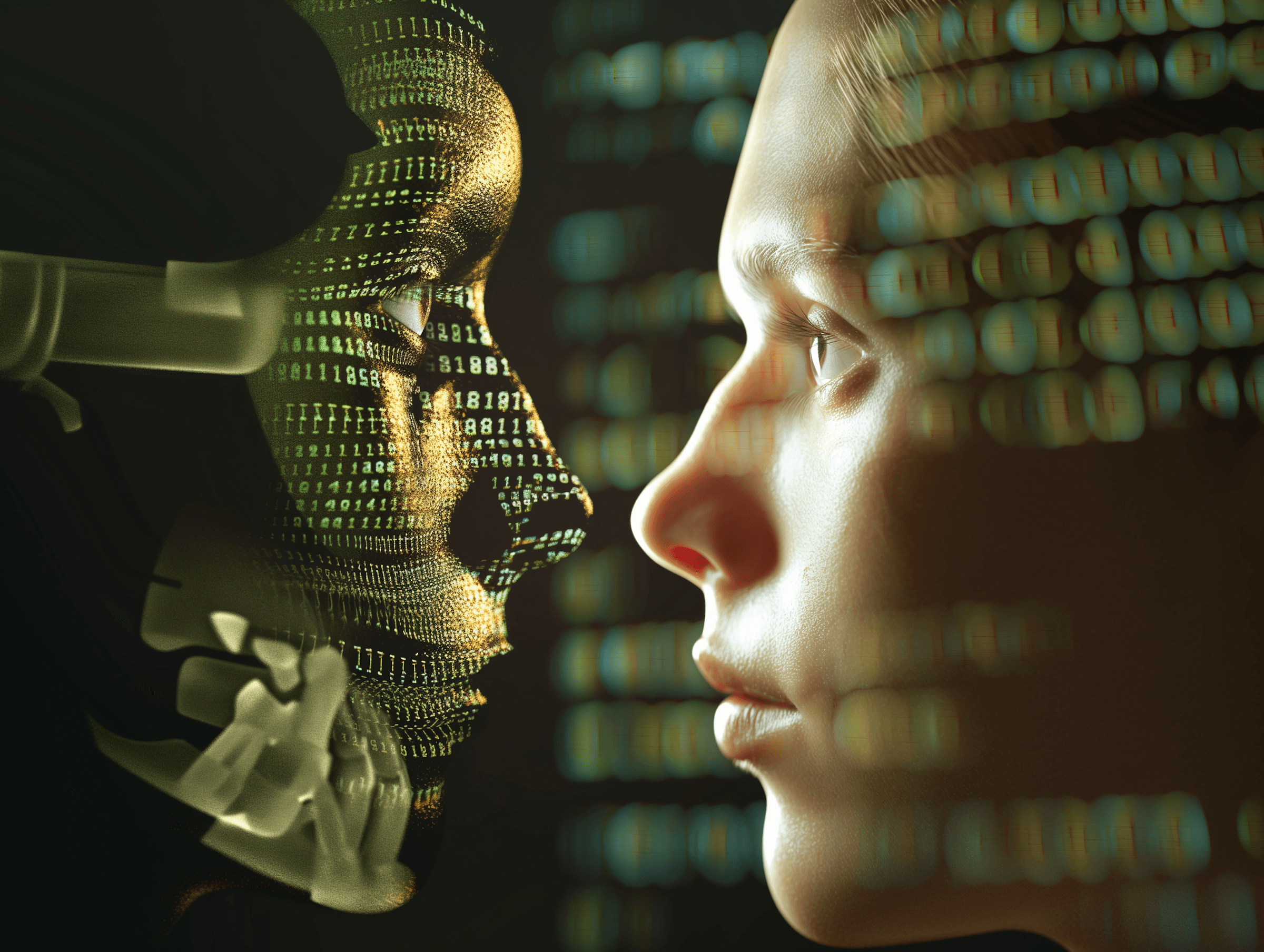
AI Won’t Replace Designers, Here’s Why Designers Matter
Author
Marcus Chen
Category
AI, Technology, Design
Date
Feb 8, 2026
Duration
5 mins
Every few years, a new technology emerges that makes designers nervous. Desktop publishing was supposed to eliminate the need for graphic designers. Canva was going to democratize design to the point where professionals became obsolete. Now, AI image generators and design tools are sparking the same fears.
Here's the truth: AI isn't replacing designers. It's separating the strategic thinkers from the button-pushers.
The Real Value Designers Bring
What makes a great designer isn't their ability to use Photoshop or create a color palette. It's their understanding of psychology, brand strategy, user behavior, and storytelling. It's knowing why certain design choices work and others don't.
AI can generate a thousand logo variations in seconds. But it can't tell you which one aligns with your brand strategy, resonates with your target audience, or will stand the test of time. That requires human insight, experience, and strategic thinking.
AI as a Creative Accelerator
At RAVE.AI, we embrace AI tools because they handle the tedious parts of design work—generating initial concepts, creating variations, removing backgrounds, upscaling images—freeing designers to focus on what actually matters: strategy, creativity, and refinement.
Think of AI as the ultimate design assistant. It doesn't replace the architect; it gives them better tools to build with.
The Designer's New Superpower
Designers who learn to leverage AI effectively will be unstoppable. They'll work faster, iterate more freely, and deliver better results. They'll spend less time on mechanical tasks and more time on creative problem-solving.
The designers who resist this shift? They'll struggle. Not because AI replaced them, but because other designers using AI will simply be more valuable to clients.
What This Means for Businesses
If you're hiring a design agency or creative partner, ask them how they're incorporating AI into their workflow. Agencies that ignore AI are leaving efficiency and innovation on the table. But agencies that over-rely on AI without strategic human direction will deliver generic, soulless work.
The sweet spot is what we call "augmented creativity"—human strategy and creativity enhanced by AI capabilities.
The future of design isn't human vs. machine. It's humans with machines vs. humans without them.
And that future? It's already here.
Related Articles You May Enjoy

Tyler Washington
5 mins
Stop Obsessing Over Your Logo (It's Not Your Brand)
Your logo matters less than you think; these overlooked elements actually build a trusted brand

Sarah Mitchell
6 mins
5 Branding Mistakes That Are Costing You Customers
Your brand is more than a logo; common mistakes may silently drive potential customers away today.

Olivia Bennett
6 mins
This Is Why Your Website Isn't Converting
Traffic is useless without action; here’s why your website loses customers and the quick fixes.